Fine Arts
Students receive a formal education in art and music that blends historical, theoretical, and hands-on study.
The Fine Arts at a Classical School
As a classical school, we believe the arts enable students to more deeply understand the human soul, shaping their minds and character through exposure to beauty. Therefore, our approach to the arts is not merely practical, but also historical and theoretical. As students participate in the Great Conversation through aesthetic study, they grow in thoughtfulness, creativity, and courage, becoming better equipped to effectively steward our culture.
All students K–8th grade receive a formal education in both art and music, with the opportunity to further their artistic studies through extracurricular ensembles, clubs, and high school electives.
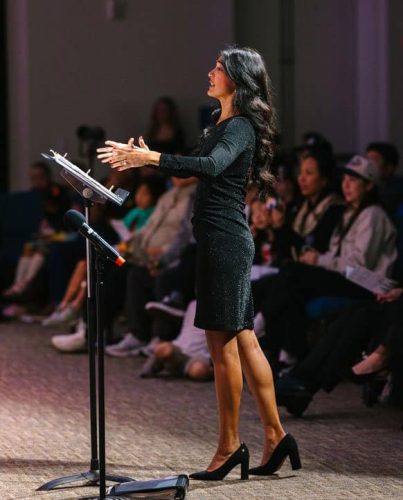
Performing Arts
General Music
K-8th
Students in music follow the classical Western canon of great works, learning about the historical, theoretical, and performance aspects of music.
Eagle Choristers
3rd–5th Choir
An after-school vocal ensemble where students learn the fundamentals of vocal production and performance.
Musical Theater
3rd–5th, 6th–11th
Students bring the stage to life, developing skills in acting, singing, and stage presence. Recent productions include Alice in Wonderland and Mary Poppins.
Wind, Strings, Choir
6th-11th
These before & after school ensembles, build on the foundation of musical knowledge; fine-tuning qualities such as intonation, blend, and expression.
Visual Arts
General Art (K–8th)
Students in art follow the classical Western canon of great works, blending historical and theoretical study with artistic creation in studio time.
Drawing and Painting (HS Elective)
This studio elective teaches students the fundamentals of drawing and painting from a classical perspective. Each student refines their skills through 2-dimensional design under expert instruction.
World Cultures (HS Elective)
An in-depth study of world cultures from ancient to modern history. Through a classical approach, students create pieces of art that reflect cultural artifacts and analyze music of nations past and present.
Partnership Opportunities
As OCCA’s fine arts department grows, so do our needs. Please consider partnering with us to fund the following items that will contribute to more opportunities for students to appreciate, experience, and create beauty.
Instrument Needs
- Orchestral Snare Drum
- Orchestral Bass Drum
- Bassoons
- Bass Clarinets
- Bucket Drumming Set
Visual Art Needs
- Studio Art Desks
- Studio Lighting
- Classical Busts
Theater Needs
- Stage Projector
- Costume Trunk